
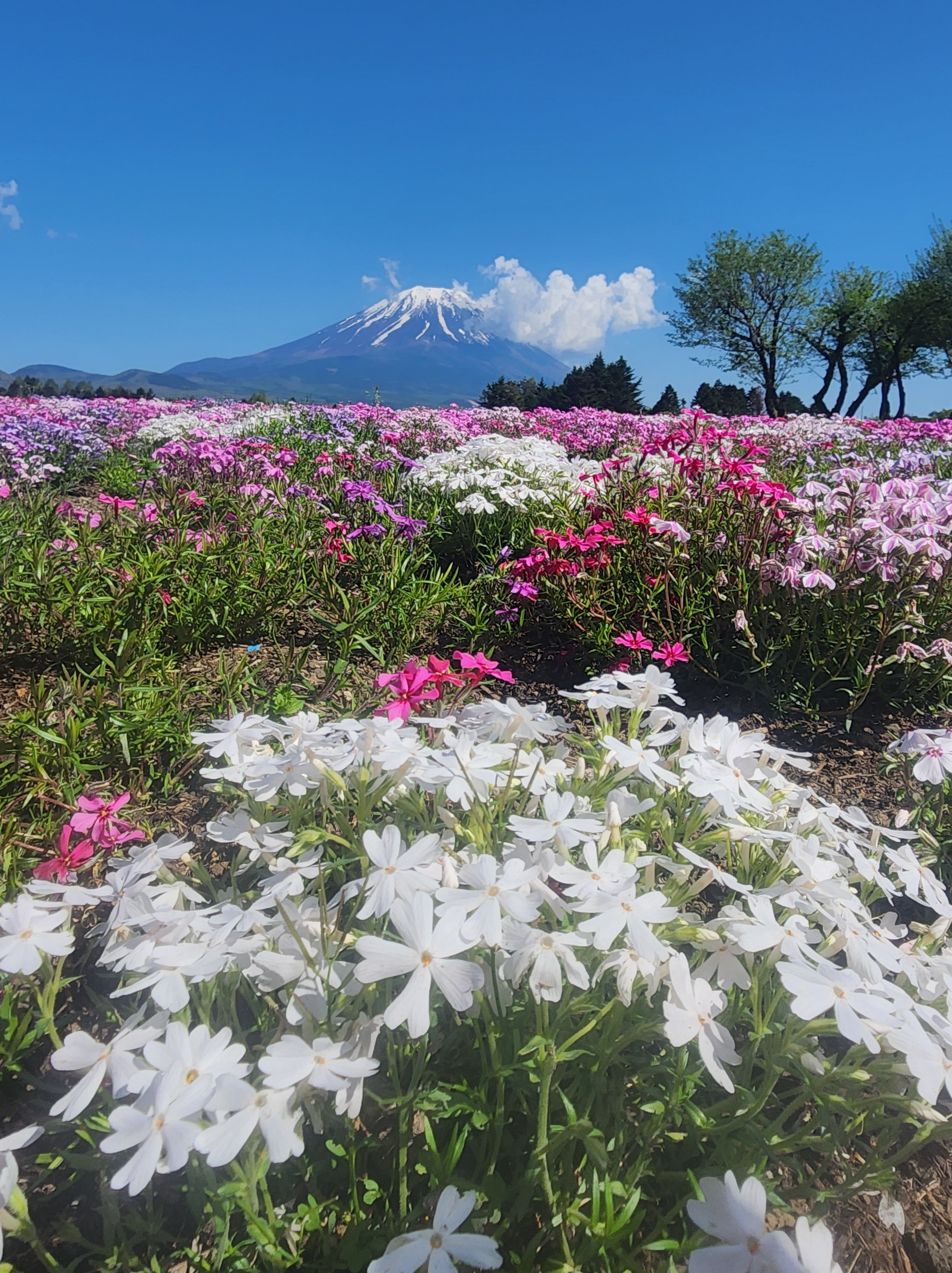
It is now the beginning of May, meaning that days of sunshine going to become rarer. But this isn’t a problem for you prepare correctly! Also, travelling in the rainy months is a great, green trees, beautiful flowers and lower costs make it a great oportunity.
First, what is rainy season?
“Rainy season” (梅雨 つゆ Tsuyu) is from June (sometimes May in Kyushu) to July. About 30% of Japans rainfall occurs this time. It is generally not so hot (about 26 degree celcius) but the humidity is unbelievable. It doesn’t actually rain every day thankfully.
Seperately, but also somewhat concurrently, is “Typhoon season” from May to October. Peak is normally August and September. On average, it is said that there will be zero to two typhoons every month at this time. Saga is one of the regions that is usually in the typhoon path.
This post will give tips about both, as for most of us, it’s hard for us to distinguish the periods and the advice reliavant to both.
General tips to make life easier!
- Rain boots and a rain jacket/poncho are a must! (The more waterproof a jacket is, the less breathable it is unfortunately. Try and buy a specially designed jacket. But also, 100yen shops plastic ponchos are good to keep in your bag).
- Undershirts for wearing with button-ups or T-shirts make a difference by absorbing sweat, smells and preventing stains on your outer clothing. Cotton is the most widely prefered, but anything from Uniqlo, Muji or GU marketed as a “dry” layer is good.
- Leave a change of clothes at your workplace and a small towel. At the very least, a change of socks for when you step in a puddle. These clothes are great for when you get rained on or if it is a high humidy day and you feel gross.
- Body wipes and anti-perspirant (not just deodorant). Body wipes often contain a cooling ingredient and the scent will help you feel like you’re not stinking up the office.
- Use a waterproof bag covering and keep a plastic bag on hand to protect your phone and laptop if you get caught in the rain.
- Put moisture absorbing blocks/dehumidifying packs around your home, and in closet/draws. Also, one for your shoe locker at work. They absorb the humidy and will keep you clothes/shoes from going moldy and smelling.
- Wear bug spray/bug repellant every day. Also, bug repellant can be sprayed around your house to keep them from entering your house.
- Prepare for public transport delays, cancellations and road closures. Check your route before leaving home and contact your supervisor if you’ll be late or unable to get to work.
- Avoid riverways, watercourses and mountainsides during and after heavy rain. Flash-flooding and landslides are very common.
- Have your prefered type of pain-relief on hand. Even if you didn’t get headaches in your home country, many JETs feel the affects of atomspheric pressure changes while in Japan.
- Have emergency food, water, money, power banks and torches/flashlights prepared. Blackouts are common, you may be unable to reach shops in bad weather or withdraw money if ATMs are down.
- For cars, be aware of where you have parked (don’t park in low lying area, under trees etc.), don’t drive through flood water or in typhoons. Be careful of falling trees and powerlines on the road.
- Keep your bentos and lunch cold as possible before consuming. Be careful of food poisioning and food items becoming spoiled. This includes fruits and vegetables rotting quickly. Scraps can be frozen to reduce smells in your home before garbage day.
- Most aircons have a dehumidifying/ dryer function and keep your exhaust fans on in your bathrooms. Air futons and bedding to prevent mold.
- Your phone will receive evacuation alerts (unfortunately only in Japanese). In most cases, these pertain to elderly or less mobile residents. Screenshot it when it appears as once you dismiss it, you cannot view it again. If you are unsure, check with your areas DR or your supervisor.
- When making travel plans, book tickets and hotels that are refundable or cancelable. And have enough backup funds to spend another night at a hotel if needed.
Discover more from Saga JET Programme
Subscribe to get the latest posts sent to your email.
 Saga JET Programme